The Best Fertilizer For Tomatoes: Grow Juicy Delicious Tomatoes With These Fertilizers
Introduction
Tomatoes are a delicious and versatile fruit that can be enjoyed in many different ways. But in order to grow juicy, delicious tomatoes, you need to give your plants the right nutrients. That's where fertilizer comes in.
Fertilizer provides the nutrients that tomato plants need to grow strong and healthy. It also helps to improve the soil quality, which can lead to better yields.
There are many different types of fertilizer available, so it can be difficult to know which one is right for your tomatoes. In this blog post, we'll discuss the best fertilizer for tomatoes, as well as how to apply it correctly.
What Nutrients Do Tomatoes Need?
Tomatoes need three main nutrients: nitrogen, phosphorus, and potassium. Nitrogen helps to promote foliage growth, phosphorus helps to promote root growth, and potassium helps to improve the overall health of the plant.
In addition to these three main nutrients, tomatoes also need a variety of trace elements, such as calcium, magnesium, and sulfur. These trace elements are essential for the plant's overall health and development.
Types of Fertilizer for Tomatoes
There are two main types of fertilizer for tomatoes: organic and inorganic.
Organic Fertilizer
Organic fertilizer is made from natural materials, such as compost, manure, and fish emulsion. Organic fertilizer is a good choice for tomatoes because it is slow-release, which means that it releases nutrients into the soil over time. This helps to prevent the plant from getting too much fertilizer at once, which can be harmful.
Inorganic Fertilizer
Inorganic fertilizer is made from synthetic chemicals. Inorganic fertilizer is a fast-release fertilizer, which means that it releases nutrients into the soil quickly. This can be a good choice for tomatoes if you need to see results quickly. However, inorganic fertilizer can also leach out of the soil, which can pollute groundwater.
How to Apply Fertilizer to Tomatoes
The best time to fertilize tomatoes is when they are first planted. You can also fertilize tomatoes every few weeks during the growing season.
To apply fertilizer to tomatoes, simply sprinkle it around the base of the plant and water it in. Be sure to follow the directions on the fertilizer label to avoid over-fertilizing your plants.
Best Fertilizer for Tomatoes
The best fertilizer for tomatoes depends on your individual needs and preferences. If you are looking for a slow-release fertilizer, then organic fertilizer is a good choice. If you need to see results quickly, then inorganic fertilizer may be a better option.
Here are some of the best fertilizers for tomatoes:
- Compost: Compost is a great all-around fertilizer for tomatoes. It is slow-release, organic, and provides a balanced range of nutrients.
- Manure: Manure is another good option for organic fertilizer. It is high in nitrogen and phosphorus, which are two essential nutrients for tomatoes.
- Fish emulsion: Fish emulsion is a fast-release fertilizer that is high in nitrogen. It is a good choice for tomatoes if you need to see results quickly.
- Blood meal: Blood meal is a high-nitrogen fertilizer that is made from dried blood. It is a good choice for tomatoes if you need to boost foliage growth.
- Bone meal: Bone meal is a high-phosphorus fertilizer that is made from ground bones. It is a good choice for tomatoes if you need to improve root growth.
Conclusion
Fertilizing your tomatoes is an important part of growing healthy and productive plants. By following the tips in this blog post, you can choose the best fertilizer for your tomatoes and apply it correctly. With a little care and attention, you'll be enjoying delicious, juicy tomatoes all summer long.
Are you looking for the best fertilizer for your tomatoes? Visit Garden Wiki for more information. They have a comprehensive guide on the different types of fertilizer available, as well as recommendations for specific fertilizers based on your growing conditions.
In addition to their guide, Garden Wiki also offers a variety of other resources for tomato growers, including planting guides, pest control tips, and recipes for delicious tomato dishes.
So what are you waiting for? Visit Garden Wiki today and start growing the best tomatoes of your life!
FAQ of best fertilizer for tomatoes
- What is the best fertilizer for tomatoes?
There is no one-size-fits-all answer to this question, as the best fertilizer for tomatoes will vary depending on the type of soil, the climate, and the stage of growth of the plants. However, some general guidelines include:
* Use a fertilizer that is high in nitrogen, phosphorus, and potassium (NPK). These are the three main nutrients that tomatoes need to thrive.
* Choose a fertilizer that is balanced, or has an NPK ratio of around 10-10-10.
* Use a fertilizer that is organic, or a slow-release fertilizer. This will help to prevent the roots of the plants from burning.
* Fertilize tomatoes regularly, especially during the growing season.
- When should I fertilize my tomatoes?
You should fertilize your tomatoes regularly, especially during the growing season. A good rule of thumb is to fertilize every two weeks. However, you may need to fertilize more or less often depending on the type of soil and the climate.
- How much fertilizer should I use?
The amount of fertilizer you use will depend on the size of the plants and the type of fertilizer you are using. However, a good starting point is to use a quarter-cup of fertilizer per plant. You can adjust the amount of fertilizer you use as needed.
- How do I apply fertilizer to my tomatoes?
You can apply fertilizer to your tomatoes in a number of ways. You can side-dress the plants, which means applying the fertilizer around the base of the plants. You can also mix the fertilizer into the soil when you are transplanting the plants. Or, you can foliar feed the plants, which means spraying the fertilizer on the leaves of the plants.
- What are some signs of tomato plant nutrient deficiency?
If your tomato plants are not getting enough nutrients, they may show signs of deficiency. Some common signs of nutrient deficiency include:
* Yellowing leaves
* Stunted growth
* Fruit drop
* Blossom end rot
If you see any of these signs, you may need to fertilize your plants.
Image of best fertilizer for tomatoes
10 different images of best fertilizer for tomatoes that are free to use:
- Compost

- Compost is a great all-purpose fertilizer for tomatoes. It is made from decomposed organic matter, such as food scraps, yard waste, and manure. Compost provides tomatoes with the nutrients they need to grow big and healthy.
- Fish emulsion
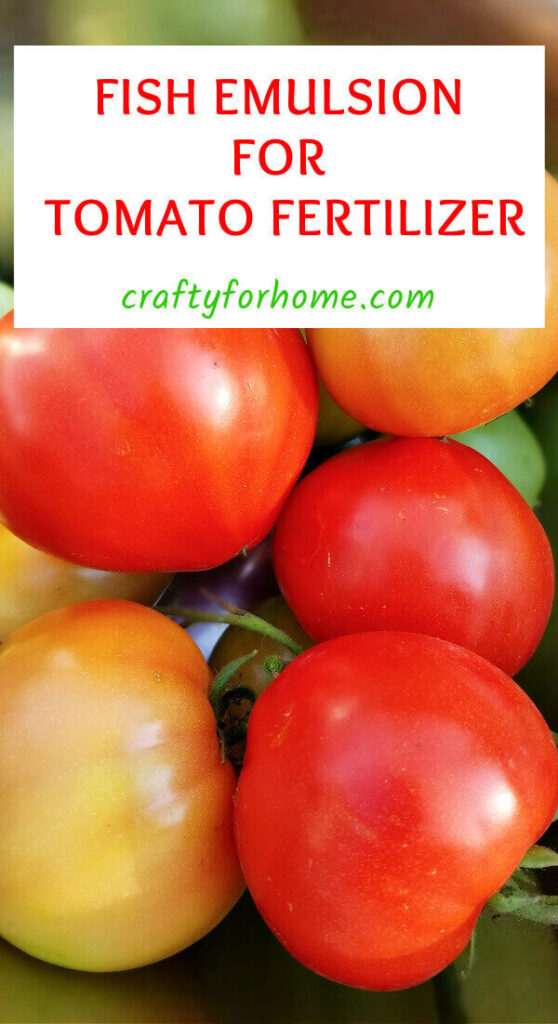
- Fish emulsion is a liquid fertilizer that is made from fish. It is a good source of nitrogen and phosphorus, which are essential nutrients for tomatoes. Fish emulsion can be applied to the soil or as a foliar spray.
- Blood meal

- Blood meal is a high-nitrogen fertilizer that is made from dried blood. It is a good choice for tomatoes that are not getting enough nitrogen. Blood meal can be applied to the soil or as a side dressing.
- Bone meal
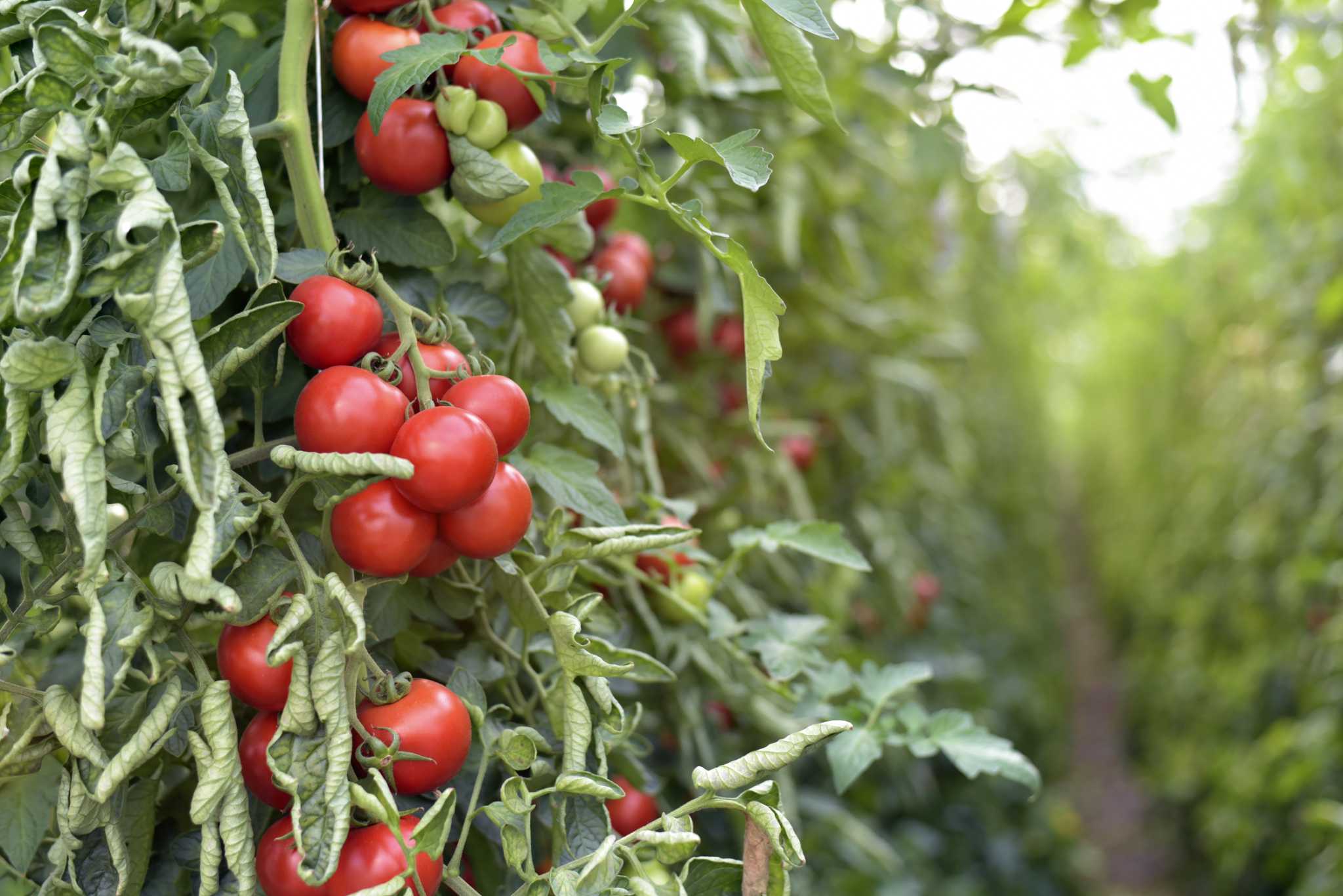
- Bone meal is a high-phosphorus fertilizer that is made from ground bones. It is a good choice for tomatoes that are not getting enough phosphorus. Bone meal can be applied to the soil or as a side dressing.
- Kelp meal
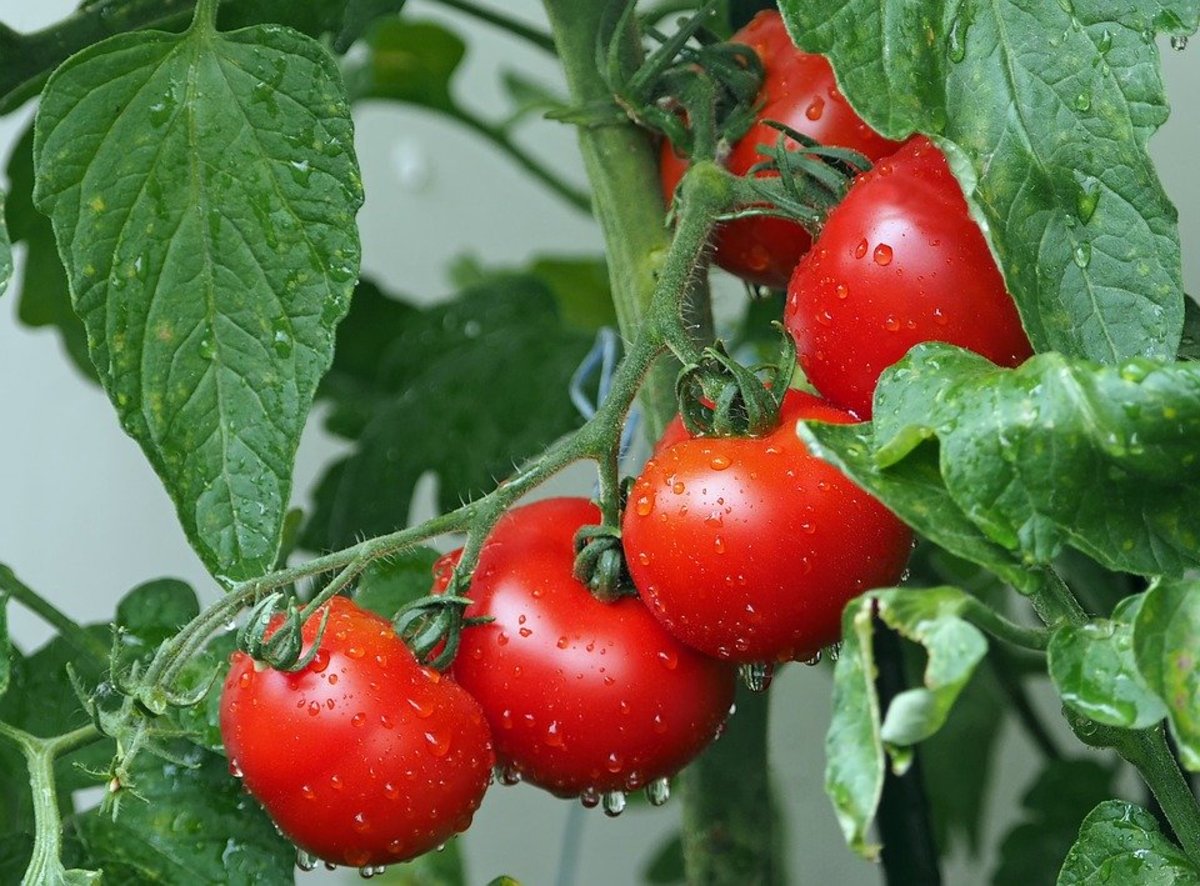
- Kelp meal is a natural fertilizer that is made from seaweed. It is a good source of micronutrients, such as potassium, iron, and zinc. Kelp meal can be applied to the soil or as a foliar spray.
- Coffee grounds
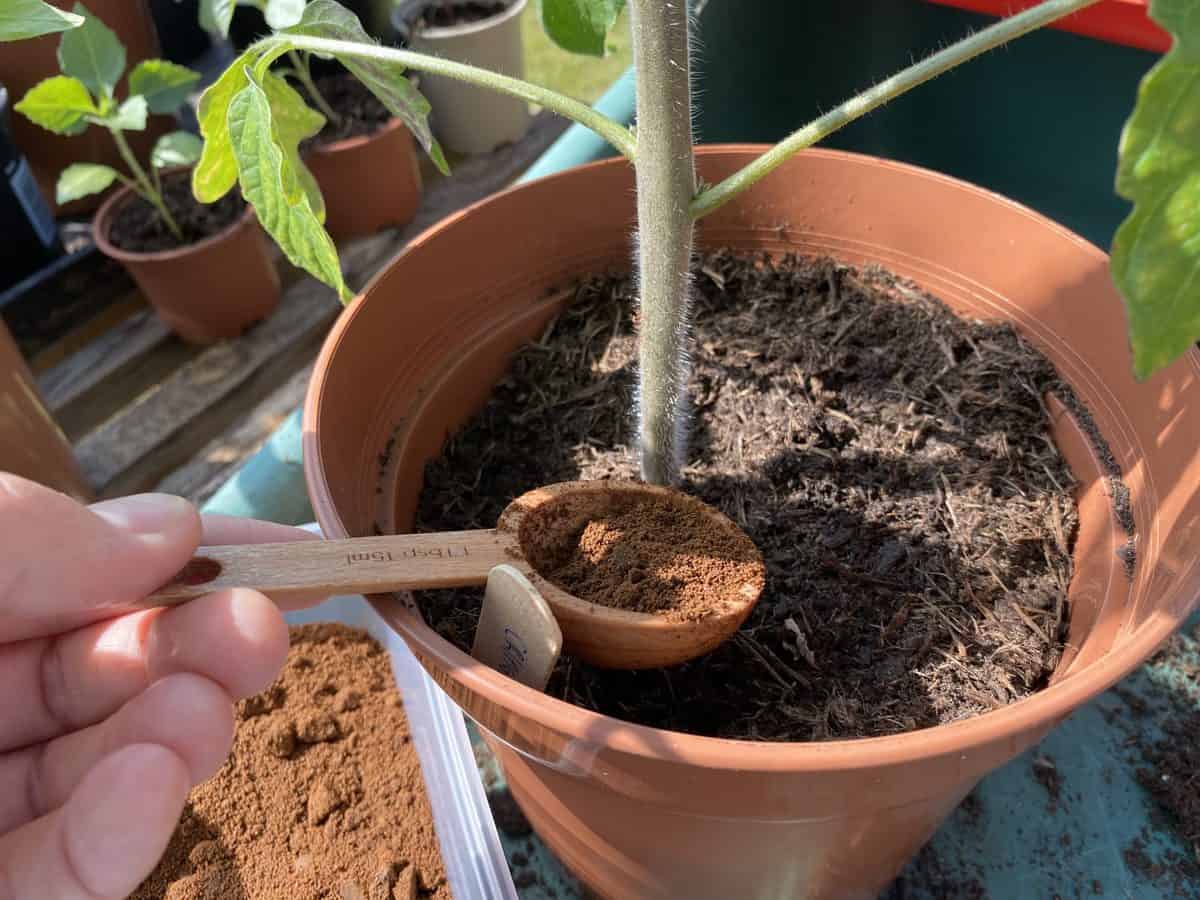
- Coffee grounds are a good source of nitrogen and other nutrients. They can be added to the soil around tomato plants or used as a mulch.
- Yard waste
- Yard waste, such as grass clippings, leaves, and vegetable scraps, can be composted and used as a fertilizer for tomatoes. Composted yard waste provides tomatoes with a balanced range of nutrients.
- Wood ash
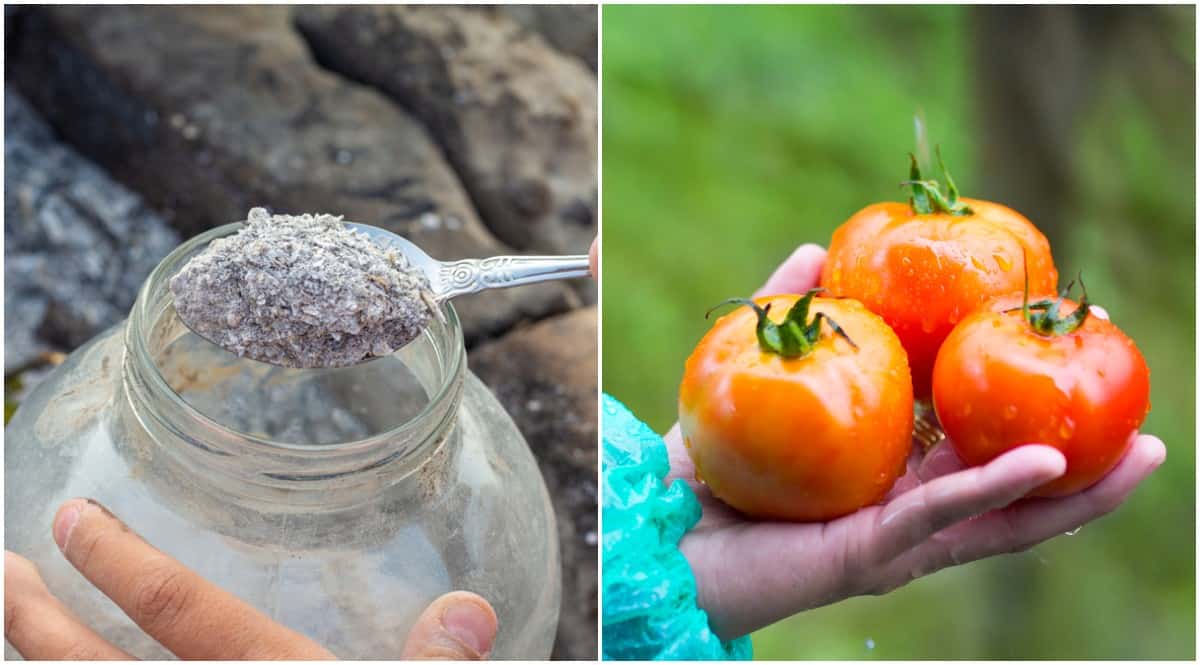
- Wood ash is a good source of potassium, which is an essential nutrient for tomatoes. Wood ash can be applied to the soil or as a side dressing.
- Epsom salts

- Epsom salts are a good source of magnesium, which is an important nutrient for tomatoes. Epsom salts can be dissolved in water and applied to the soil or as a foliar spray.
- Water-soluble fertilizer

- Water-soluble fertilizer is a convenient way to fertilize tomatoes. It can be applied to the soil or as a foliar spray.
Post a Comment for "The Best Fertilizer For Tomatoes: Grow Juicy Delicious Tomatoes With These Fertilizers"